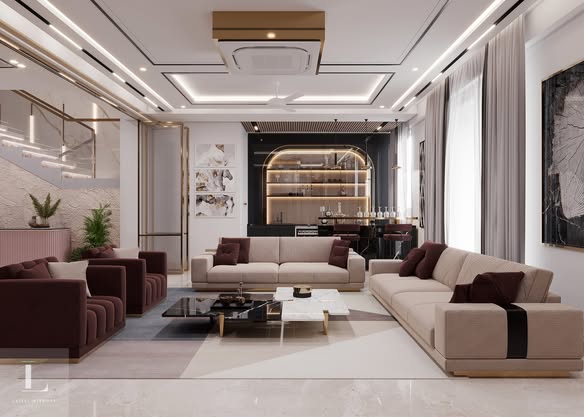
In 2026, design conversations in Delhi have shifted tone. Clients ask fewer questions about trends and more about purpose. Interior decorators in Delhi now approach spaces as living systems, shaped by behaviour, health, and long-term use. This change is quiet yet decisive. Homes are planned with restraint, logic, and emotional intelligence. Those who still view interiors as surface decoration risk falling behind a city that has matured in taste and expectation.
Interior Designers in Delhi Are Designing for Human Rhythms
Design practice by top interior designers in Delhi now begins with observation rather than mood boards. Leading studios study how occupants move, rest, and focus throughout the day. This method informs every decision that follows.
- Spatial layouts respond to daily routines, not fixed furniture templates.
- Lighting plans follow circadian patterns instead of decorative symmetry.
- Material selection prioritises tactile comfort over visual drama.
Within this approach, interior designers in Delhi are moving away from dramatic reveals. They prefer measured outcomes that age well and support daily wellbeing. This shift reflects an audience that values stability over spectacle.
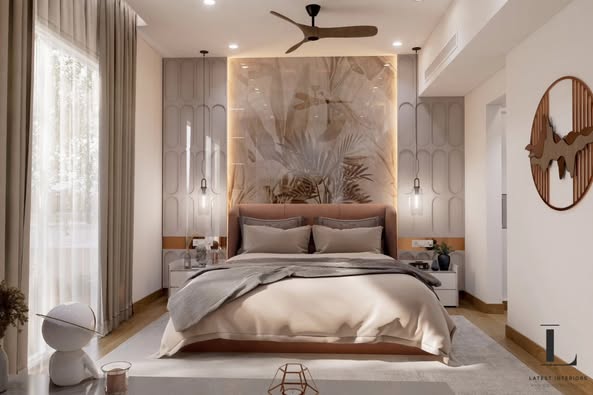
Residential Interior Decorators in Delhi Are Redefining Privacy at Home
Homes now adapt to family health patterns rather than forcing habits into fixed spaces. This shift feels subtle yet deeply effective in everyday life. Residential interior decorators in Delhi now create zones that respond to age, routine, and emotional needs.
- Designers plan kitchens to reduce joint strain and unnecessary bending during daily cooking routines.
- Bedrooms receive layered lighting that supports sleep recovery without overstimulation.
- Living areas encourage shared interaction without forcing constant social proximity.
- Storage design reduces visual overload, supporting mental calm across all age groups.
Each decision respects how families actually live, not how homes traditionally looked. Residential interior decorators in Delhi respond to families seeking balance. The home must support togetherness while respecting individual needs. This perspective has reduced visual clutter and improved long-term comfort.
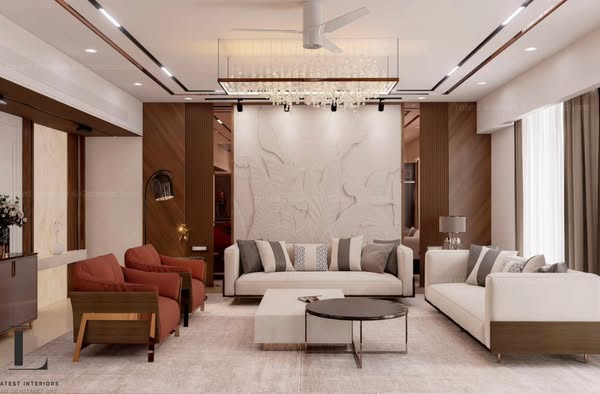
Best Living Room Designers in Delhi Are Rejecting the Centrepiece Culture
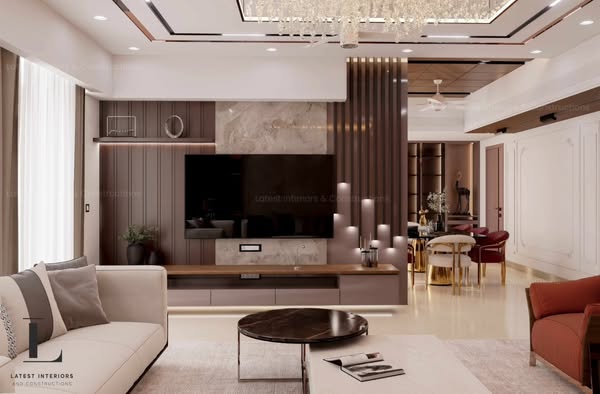
Living rooms no longer revolve around a single statement element. Designers now treat these spaces as evolving settings rather than fixed showcases. They focus on visual pacing and emotional comfort and limit sharp contrasts that tire the eyes over extended hours.
- Seating depth supports spinal alignment without appearing clinical.
- Wall treatments absorb sound, reducing background stress during conversations or rest.
- Decor placement follows breathing space logic rather than symmetry rules.
The result feels composed, supportive, and quietly restorative. The best living room designers in Delhi acknowledge that rooms gain meaning through use. A space that adapts earns loyalty from its occupants. This philosophy has replaced the pursuit of instant visual impact.
Interior Design Firms in Delhi NCR Are Prioritising Longevity
Short term trends no longer guide serious design decisions. Clients now expect durability that protects wellbeing over many years. Interior design firms in Delhi NCR emphasise materials that age gracefully without releasing harmful residues.
Design timelines now extend beyond project completion. Firms plan for maintenance, adaptability, and ageing materials. This mindset has changed how budgets are allocated.
- Investment shifts toward structural quality rather than decorative layers.
- Finishes are chosen for repairability, not novelty.
- Technical detailing receives greater attention during early planning.
Interior design firms in Delhi NCR recognise that trust is built through endurance. Clients return when spaces continue to perform years later. This long view distinguishes experienced practices from trend-driven operations.
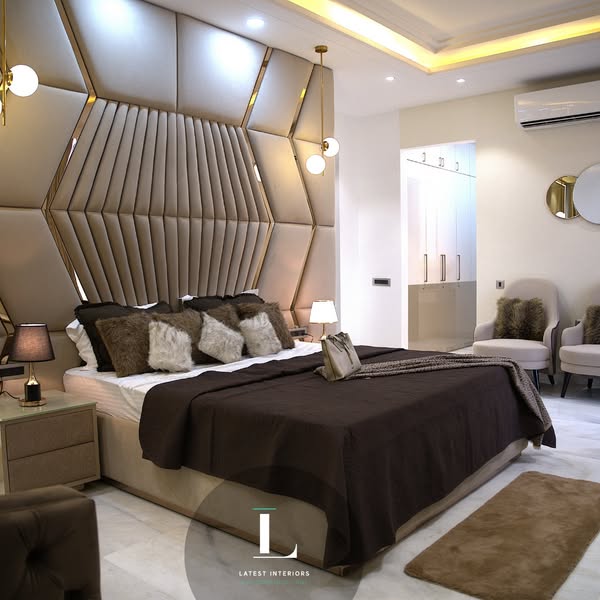
The Role of Thoughtful Coordination in Modern Interiors
Behind every resolved interior lies careful coordination. Architects, craftsmen, and suppliers now collaborate earlier. This reduces revisions and preserves design intent. Clear documentation ensures consistency during execution.
Boutique interior design agencies, such as Latest Interiors operate within this disciplined framework. Their process reflects the broader shift in Delhi’s design culture. Interiors are no longer rushed to completion. They are allowed to mature through informed decisions.
This approach appeals to clients who value assurance. They seek environments that support health, routine, and quiet confidence. The design conversation has become calmer and more precise.
Conclusion
The current design movement reflects societal change. People seek spaces that respect time, energy, and personal boundaries. Excess has lost relevance. Thoughtfulness now defines quality.
At Latest Interiors, we engage clients with this perspective and help them experience no regrets in their space interior design. We help their homes adapt as lives change. This is the direction shaping Delhi’s interior landscape in 2026 and our team follows that.